

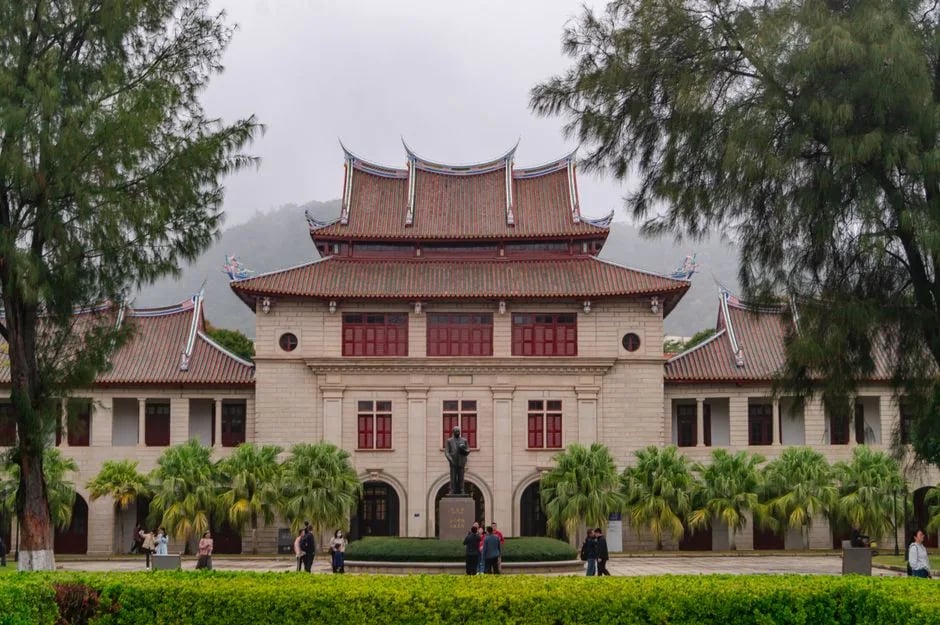
Study Abroad in China: Complete Guide 2026
Study Abroad in China: Complete Guide 2026
China can support very different study goals: a full degree, a semester exchange, intensive Mandarin, a research placement, or a short summer experience. The right route depends less on a generic university ranking and more on the program's curriculum, language, recognition, city, support, and total cost.
This 2026 guide gives you a decision process and the official checks to make before applying.
Choose the right program type
Full degree
A bachelor's, master's, or doctoral degree offers the deepest academic and professional commitment. Verify the awarding institution, program language, degree recognition in the country where you plan to work, entry requirements, and supervision for research degrees.
Exchange semester or year
An exchange through your home university can simplify credit approval, nomination, and support. Confirm the partner agreement, host course access, grading conversion, housing, and whether tuition is paid at home or in China.
Direct enrollment or visiting study
Some universities accept international visiting students outside a formal exchange. This gives more choice but places more responsibility on you for credit recognition, applications, housing, insurance, and immigration documents.
Mandarin language program
University language centers can offer a structured way to build Mandarin. Compare contact hours, class level, placement tests, term length, campus integration, and whether the program can issue the documents required for your intended visa.
Summer or short program
A short course is useful for testing the destination, gaining cultural context, or adding focused language study. Check what is included, academic credit, supervision, excursions, accommodation, cancellation terms, and the correct short-study visa route.
How to shortlist universities
Do not begin with a commercial ranking table. Start with the academic outcome you need, then verify institutions and programs through official university pages and China's official scholarship and study channels.
For each candidate, record:
- exact degree or certificate title
- awarding institution and campus
- language of instruction
- published curriculum
- faculty or supervisor fit
- admission prerequisites
- start date and duration
- tuition and compulsory fees
- scholarship eligibility
- housing availability
- student visa document support
- graduate outcomes and recognition
- current international office contact
English taught does not mean every course, assessment, internship, or daily service is available in English. Ask the department for the current course list and sample timetable.
Mandarin and English study
A strong English taught program can be academically suitable without advanced Mandarin at entry. Mandarin still improves housing, healthcare, administration, internships, and daily relationships.
For a Chinese taught degree, use the institution's stated HSK requirement and check whether a higher level is expected for certain subjects. Requirements differ by university and program.
Avoid choosing a language program only by city. Compare teaching hours, class size, level progression, teacher feedback, speaking practice, and whether the term matches your visa and housing.
Understand the academic calendar
Universities commonly organize teaching around autumn and spring semesters, but dates differ. Short programs and language centers may use other schedules. Lunar New Year and summer breaks can affect housing, travel, offices, and processing.
Use the specific 2026 admissions calendar for your program. Record orientation, registration, class start, exam period, dorm opening, and residence permit deadlines separately.
Build a real budget
A national average is not a personal budget. Ask each institution for its current 2026 tuition, application fee, insurance, laboratory or studio charges, books, housing, and deposit.
Then add:
- visa and document costs
- flights
- temporary accommodation
- monthly food
- local transport
- phone and internet
- utilities and compound fees
- healthcare not covered by insurance
- travel
- emergency reserve
Compare our cost of living in China guide, but replace every estimate with quotes for your city and accommodation.
Scholarships
The Chinese Government Scholarship and university or provincial awards are common starting points. Scholarship names, eligible programs, agency routes, deadlines, and coverage change by intake.
Use the official Campus China system and the current notice from the responsible scholarship authority or university. A scholarship described as tuition support may not include housing, insurance, travel, or living costs.
Read our China scholarship guide before preparing documents. Never pay someone who claims to guarantee a government scholarship.
Student visa and residence steps
China uses X1 for study lasting more than 180 days and X2 for study lasting no more than 180 days. The responsible Chinese diplomatic mission provides the current application checklist. Admission documents and the applicable study form are central to the process.
X1 holders must apply for a residence permit within 30 days after entry. Foreign students must also ensure that their accommodation is registered. Hotels normally register guests, while dorm and private housing residents should confirm the filing and keep proof.
An X2 visa does not automatically convert into a long-term study route. Do not travel on a category that conflicts with your admission and course length. See the China student visa guide.
Housing
University dorms are usually the simplest first option. Ask about room sharing, bathroom, utilities, vacation access, campus location, deposit, refund rules, and accommodation registration.
Private apartments provide independence but require stronger lease checks. Verify the owner, legal authority, exact unit, total payment, management charges, utility billing, foreign registration, inventory, and deposit return terms. Use a written lease and traceable payment.
Our student housing in China guide covers dorms, apartments, shared housing, and registration in detail.
Can students work?
Do not build a budget that depends on casual employment. Foreign students need the correct authorization for off-campus work or internships. For X1 residence permit holders, official guidance requires school approval and the appropriate immigration notation or permission for eligible off-campus activity.
An employer's invitation does not replace authorization. Ask the university and local immigration authority before beginning any paid or unpaid placement that could be treated as work.
Health, insurance, and digital preparation
Use the insurance required by your university and visa route, then examine coverage limits, exclusions, claims, and hospitals. Bring an adequate supply of prescribed medicine, its generic name, and supporting documentation, subject to customs rules.
Before departure, confirm how you will access university systems, banking, payment tools, maps, communication, and authentication codes. Do not assume every service you use at home will function the same way.
A practical application timeline
Nine to twelve months before
Define your goal, shortlist official programs, ask about language and prerequisites, discuss credit recognition, and investigate scholarships.
Six to nine months before
Prepare academic records, references, study plans, language results, passport, translations, and authentication. Apply by the institution and scholarship deadlines.
Three to six months before
Accept the offer, secure official admission documents, confirm funding, arrange housing, and follow the responsible mission's visa process.
Final month
Verify travel documents, arrival address, accommodation registration plan, insurance, payment access, university contacts, orientation, and residence permit steps.
Questions to ask before accepting
- Who awards the qualification?
- Is the program and institution recognized for my purpose?
- Which courses are actually available in 2026?
- What is the complete first payment?
- What can make a scholarship end?
- Is dorm housing guaranteed or only available to apply for?
- Which visa documents will the university issue?
- What happens if the visa is refused?
- How are refunds handled?
- Who provides emergency support?
Official starting points
- Campus China scholarship and study portal
- China Ministry of Foreign Affairs visa regulations
- National Immigration Administration residence permit guidance
- National Immigration Administration accommodation registration guidance
If you want a shorter first experience, compare the three-week Asia Pathway China Summer School and two-week China Summer School. You can also browse all China programs or contact us.
Frequently Asked Questions
More about studying in china
Read the complete guide →